

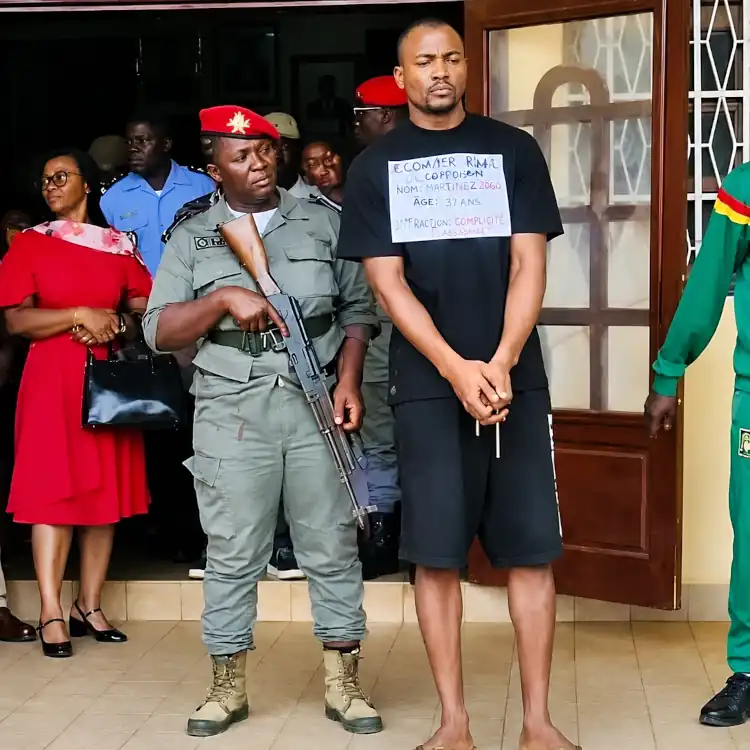
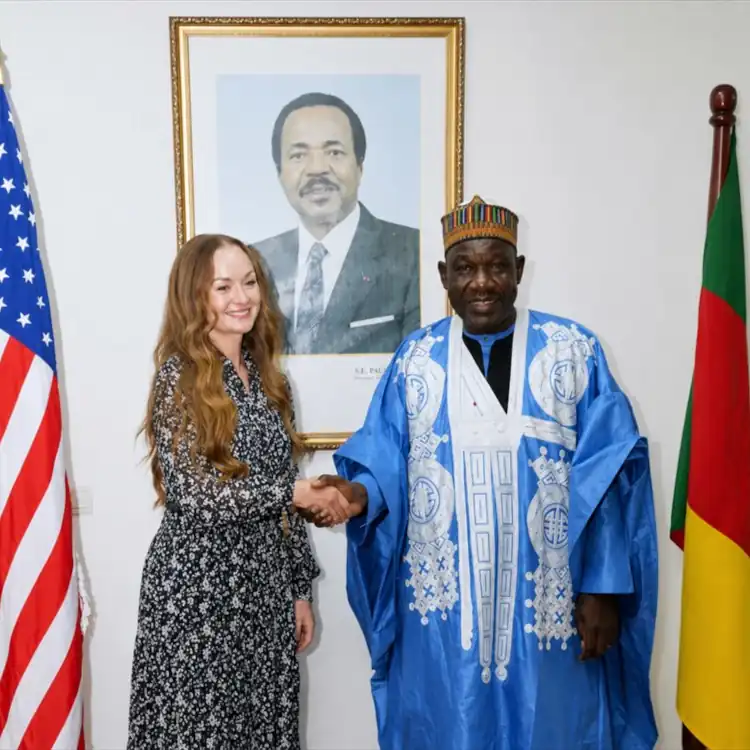


Cameroun BIR: Israeli Mercenaries involvement & Atrocities in NOSO by Dr Larry AYAMBA.
CAMEROUN :: POINT DE VUE

Cameroun BIR: Israeli Mercenaries involvement & Atrocities in NOSO by Dr Larry AYAMBA. :: CAMEROON

The Rapid Intervention Battalion (BIR, or Bataillon d'Intervention Rapide) is an elite unit in the Cameroonian Armed Forces, often described as directly reporting to President Paul Biya rather than the standard defence ministry chain. It was established in 1999 (initially as the Light Intervention Battalion) and has long been trained and supervised by retired Israeli military officers, sometimes referred to as "Israeli mercenaries" or advisers in reports.

Key figures include:

Abraham Avi Sivan (also referred to as Avi Sivan Abraham or Colonel Abraham Avi Sirvan): An Israeli (former IDF officer and defence attaché to Cameroon) who created and commanded the unit from its inception until his death in a helicopter crash in 2010.

Mayer Heres (also spelled Meyer Heres or Maher Hères): An Israeli general who replaced Sivan as commander/supervisor after 2010. He delegated operational command to a Cameroonian officer (Brigadier General Bouba Dobékréo) around 2017 but remained influential as a chief security adviser.

Other Israelis like Erez Zuckerman, Eran Moas (involved in business/training aspects), and Baruch Mena (technical adviser) have been involved in supervision or advisory roles over the years, but not as the primary commander.

The unit is led/supervised by a retired Israeli officer in many sources, but the overall BIR General Coordinator is listed as Cameroonian Brigadier General Pelene Francois (or similar native commanders in recent years). No single current "Israeli-born commander" is explicitly named as holding formal command in the most up-to-date references (as of 2025-2026 reporting), with influence shifting toward advisory/technical roles post-2017.

The Rapid Intervention Battalion (BIR, or Bataillon d'Intervention Rapide) is an elite unit in the Cameroonian Armed Forces, often described as directly reporting to President Paul Biya rather than the standard defence ministry chain. It was established in 1999 (initially as the Light Intervention Battalion) and has long been trained and supervised by retired Israeli military officers, sometimes referred to as "Israeli mercenaries" or advisers in reports.

Key figures include:

Abraham Avi Sivan (also referred to as Avi Sivan Abraham or Colonel Abraham Avi Sirvan): An Israeli (former IDF officer and defence attaché to Cameroon) who created and commanded the unit from its inception until his death in a helicopter crash in 2010.

Mayer Heres (also spelled Meyer Heres or Maher Hères): An Israeli general who replaced Sivan as commander/supervisor after 2010. He delegated operational command to a Cameroonian officer (Brigadier General Bouba Dobékréo) around 2017 but remained influential as a chief security adviser.

Other Israelis like Erez Zuckerman, Eran Moas (involved in business/training aspects), and Baruch Mena (technical adviser) have been involved in supervision or advisory roles.

The Bataillon d'Intervention Rapide (BIR), Cameroon's elite Rapid Intervention Battalion, has been repeatedly implicated in serious human rights violations and atrocities in the Anglophone crisis (also known as the Ambazonia conflict) in the North-West and South-West regions since the escalation in late 2016–2017. These violations stem from the government's military response to peaceful protests over perceived marginalisation of Anglophone linguistic, educational, and judicial systems, which evolved into an armed separatist insurgency.

Reports from credible international organisations - including Amnesty International, Human Rights Watch (HRW), the U.S. Department of State, and others - document patterns of excessive brutality by government forces, including the BIR, often in reprisal operations against communities suspected of supporting or harboring separatists. While both sides (government forces and armed separatists) have committed abuses, the BIR's actions have drawn scrutiny due to its elite status, direct reporting to the presidency, and deployment in high-intensity counter-insurgency roles.

Key Categories of Violations Attributed to the BIR and Other Security Forces

  1. Unlawful Killings and Extrajudicial Executions
  • Government forces, including BIR units, have been accused of summary executions, indiscriminate shootings, and reprisal killings of civilians.

   - Examples include: 

  1. In Ndop (North-West, April 2022), BIR soldiers allegedly stopped, beat, and detained 30–40 motorbike riders in a funeral convoy, suspecting separatist links; up to 17 had forcibly disappeared, with whereabouts unknown as of late 2022.
  2. Indiscriminate firing incidents, such as a BIR officer shooting into a nightclub in Limbe (South-West, May 2025), killing one civilian and wounding others.
  • Forced civilian involvement in dangerous tasks, e.g., in Melim, Kumbo (North-West, June 2025), where BIR soldiers allegedly compelled two civilians to deactivate an IED with bare hands, resulting in their deaths by explosion (government denied compelling civilians).
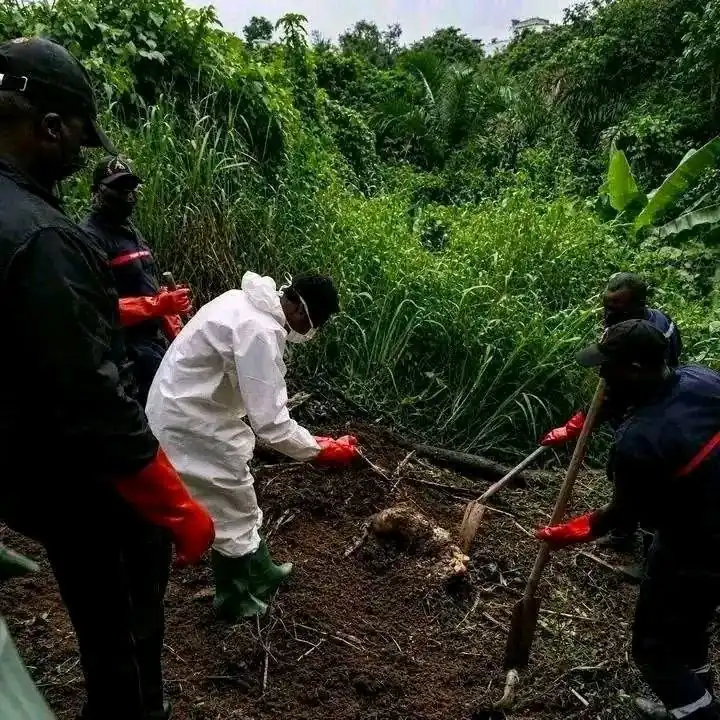
  1. Broader patterns include mass killings in villages during raids, with bodies sometimes burned or dumped to hinder identification.
  2. Sexual Violence
  3. Reports document rape and other forms of sexual violence during raids and detentions, often targeting women in communities suspected of separatist sympathy.
  4. Amnesty International's 2023 report on the North-West region highlights sexual violence as part of widespread abuses by defence and security forces since 2020, alongside unlawful killings and house burnings.
  5. House Burnings and Destruction of Property
  6. "Scorched earth" tactics involve burning homes, villages, shops, and public facilities (e.g., schools, health centres) to deny separatists safe havens or as collective punishment.
  7. Documented cases include mass arson in multiple villages, with over 200 communities raided or partially destroyed in earlier phases (2018–2020).
  8. Specific incidents: Looting and burning in Ndzeen (2021, 33 shops/homes and a palace targeted by ~150 BIR soldiers); repeated arson in areas like Chomba, Bafia, and others (2021–2022).
  9. Harassment, Arbitrary Arrests, Detentions, and Torture
  10. Warrantless arrests target Anglophone civilians, especially young men, suspected of separatist ties; many face prolonged incommunicado detention.
  11. Torture methods reported: Beatings, drowning simulations, breaking limbs, hanging over fire, and other cruel treatment to extract confessions or information.
  • Detainees are often held in BIR facilities or other sites with harsh conditions; some die in custody or disappear.
  1. Harassment includes threats against those denouncing abuses, journalists, and human rights defenders; warrantless home invasions and looting are common.

 Patterns and Context

  • Violations often occur in reprisal for separatist attacks, targeting civilians collectively (e.g., villages accused of harbouring Amba fighters).
  • The BIR is frequently named due to its mobility and role in frontline operations, though other units (e.g., motorised infantry battalions) are also implicated.
  • Impunity remains a major issue: Investigations are rare, limited, or dismissed by authorities; few perpetrators face accountability despite credible evidence (videos, witness testimonies, satellite imagery).
  • As of 2025–2026 reports (e.g., U.S. State Department 2024 report), abuses persist amid ongoing clashes, ad-hoc lockdowns, abductions, and reprisals, though some sources note a relative decline in civilian fatalities from improved restraint in certain areas.

These allegations are based on independent investigations using witness interviews, satellite imagery, videos, and other evidence. The Cameroonian government has denied systematic abuses, emphasising operations against "Ambazonians" and occasional disciplinary actions, while rejecting many claims as propaganda.

International calls for independent inquiries and accountability continue, amid a humanitarian crisis displacing over 900,000 people internally and tens of thousands abroad.

Pour plus d'informations sur l'actualité, abonnez vous sur : notre chaîne WhatsApp 

Lire aussi dans la rubrique POINT DE VUE

Les + récents

partenaire

Vidéo de la semaine

évènement

Vidéo

L'actualité en vidéo