











-
© Camer.be : Kemta
- 13 Dec 2025 11:50:37
- |
- 113
- |
MONDE ENTIER :: Cashback, Reloads, and Tournaments: What Really Increases Player Retention :: WORLD
Retention rarely comes from one flashy promo. Players stick when the experience feels fair, predictable enough to trust, and fresh enough to revisit—while still leaving room for “small wins” that feel meaningful. In practice, that means using incentives as behavior shapers, not just discounts. If you’re seeing verification coupon Betwinner mentioned in promo flows, it’s a reminder of the first retention gate: players who pass verification, get paid, and feel safe are the ones who come back.
Cashback and Reloads: Retention Tools or Just Discounting?
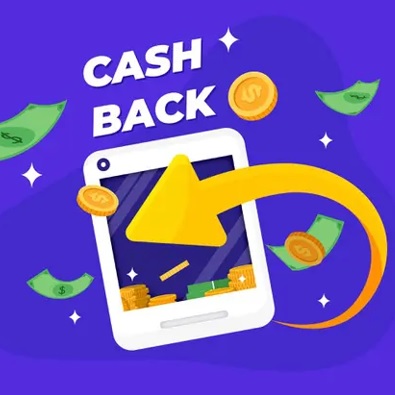
Cashback and reloads can keep players active, yet only when they match the player’s intent and risk profile. Cashback works best as “loss softening” that reduces regret and keeps a casual player from churning after a bad session. Reloads work best as “planned value” that gives a reason to return on a specific day without training players to wait for promos. The difference is subtle: cashback reacts to what happened; reloads shape what happens next.
|
Mechanic |
What it actually does |
When it helps retention |
Common mistakes that backfire |
What to watch |
|
Cashback (fixed % back on net losses) |
Reduces post-loss frustration and “quit moments” |
After negative variance streaks; for casuals who hate “zeroing out” |
Making it too frequent (players treat it like a rebate); unclear time window; awkward claiming steps |
Churn after loss days, repeat deposit rate within 7–14 days, support tickets about rules |
|
Tiered cashback (higher % for higher volume/VIP) |
Creates progress and status, not just money back |
For high-frequency players who respond to progression |
Over-rewarding volume without guardrails; widening the gap between tiers too fast |
Tier migration, net revenue by tier, withdrawal friction complaints |
|
Reload bonus (e.g., 25% on next deposit) |
Creates a return appointment and a reason to top up |
Mid-week “quiet” periods; reactivation of semi-dormant players |
Conditioning players to deposit only on promo days; complicated wagering terms |
Promo-day deposits vs non-promo deposits, deposit cadence stability, bonus cost per retained user |
|
Personalized reload (segmented offers) |
Aligns value with player lifecycle and preferences |
When tied to a behavior goal (return session, try a category) |
Using the same “personalized” template for everyone; misreading risk signals |
Incremental lift vs control group, opt-out signals, responsible play flags |
|
Wager-free reload (small, capped) |
Feels simple and honest; reduces rule disputes |
Newer players and low-stakes segments |
Being too generous without caps; turning it into a “cash machine” |
Abuse rates, identity duplication patterns, payback period |
|
“Loss-back” reload (next deposit triggers partial return of prior losses) |
Turns a bad outcome into a reason to re-engage |
Short-term recovery from churn risk |
Can feel like chasing losses if framed poorly |
Session length spikes after losses, deposit escalation patterns |
Takeaway: Cashback keeps people from leaving right after disappointment; reloads pull people back before they forget you. Retention climbs when these mechanics are capped, easy to grasp, and aimed at a lifecycle moment (first month, post-withdrawal lull, seasonal dips) instead of being sprayed across everyone every day.
Tournaments: Competition, Community, and the “I’ll Play One More” Effect
Tournaments retain players for a different reason: they create context. A cashback offer is private math; a tournament is a story—rank, time window, rivals, momentum, and a visible finish line. That story can outperform pure bonus value because it gives players a reason to return even when they’re not in a “deposit mood.” Still, tournaments only work when the rules feel fair and the prizes feel reachable for more than the top 1%.
- Use reachable ladders, not only leaderboards. A single global leaderboard rewards whales and teaches everyone else they can’t win. Ladders (milestones, brackets, divisions) give more players a shot at “something.”
- Reward activity patterns you want to repeat. If you want steady play, score by daily missions or streaks, not only raw volume. If you want game discovery, score by completing a set of titles, not just grinding one.
- Make progress visible and immediate. A tournament that updates slowly feels rigged, even when it isn’t. Fast updates and clear scoring reduce paranoia and support load.
- Cap the “pay-to-win” feel. If higher staking dominates the scoring formula, the event becomes a spending contest. Consider normalization methods (e.g., points per wager band, or separate tables by stake tier).
- Keep entry rules simple. “Opt in, play eligible games, earn points” beats fine print. Complexity kills participation and creates disputes.
- Prize shapes matter as much as prize size. A flatter distribution (more small winners) often retains better than a massive top prize with crumbs for everyone else.
- Pair tournaments with frictionless payouts and clean comms. Players remember whether prizes landed fast and whether support had answers, not your banner design.
Takeaway: Tournaments retain by making play feel social and time-bound. The best-performing formats are the ones where an average player can see progress, earn a realistic reward, and feel the game is fair—even if they never take first place.
If you want, I can tailor two ready-to-run promo blueprints (cashback + reload calendar, and a ladder-style tournament) with targeting rules, caps, and KPIs to track—written in the same “no-fluff” style.
Pour plus d'informations sur l'actualité, abonnez vous sur : notre chaîne WhatsApp
Lire aussi dans la rubrique SOCIETE







Les + récents
11:26
La liste non exhaustive des prêtres et religieuses assassinés au Cameroun
10:33

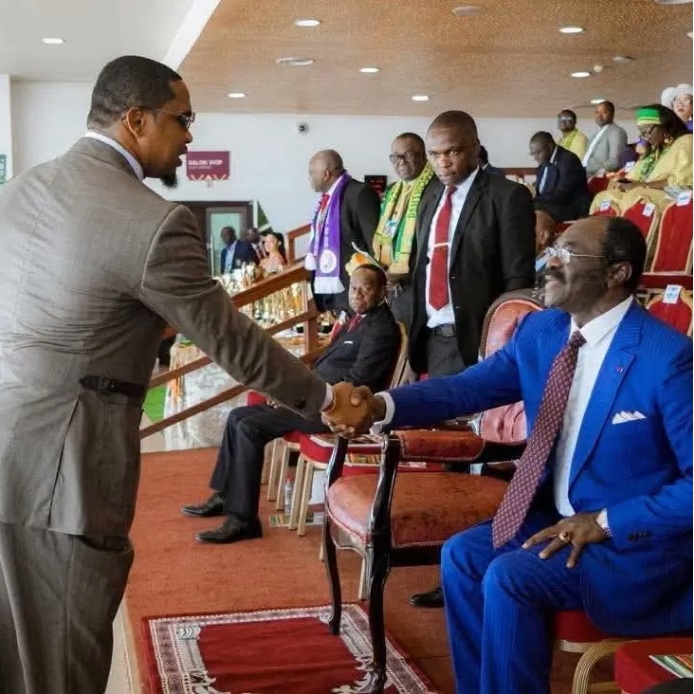
ATANGA NJI, LE VISAGE DE LA GOUVERNANCE CAMEROUNAISE
09:01
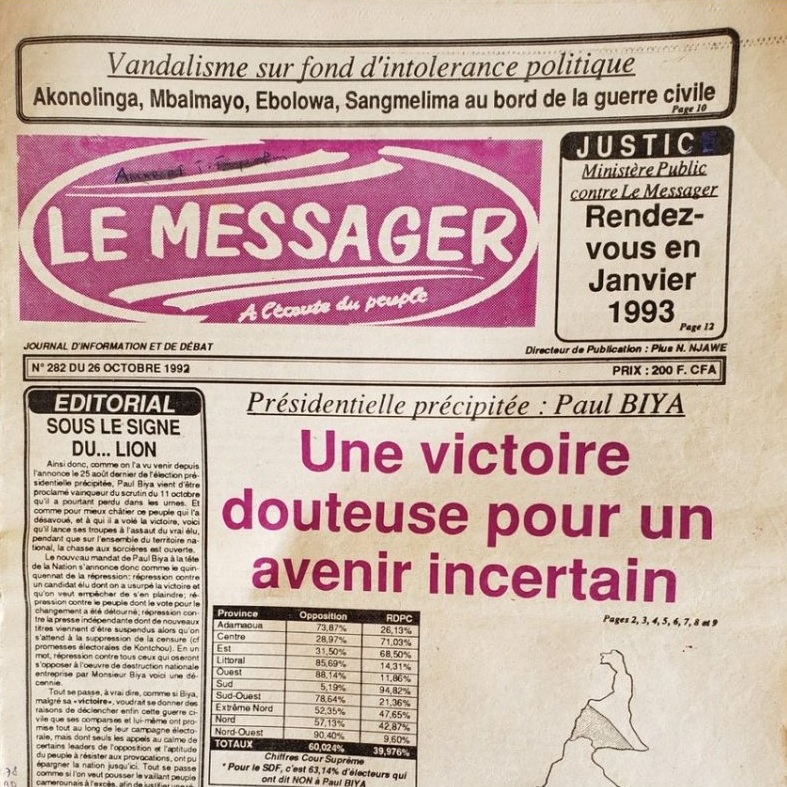
Le Messager un rempart contre l’obésité informationnelle et les fakes news
07:52
L’État de droit bafoué – Le défi insolent du maire de Douala 3e face à la justice
07:35
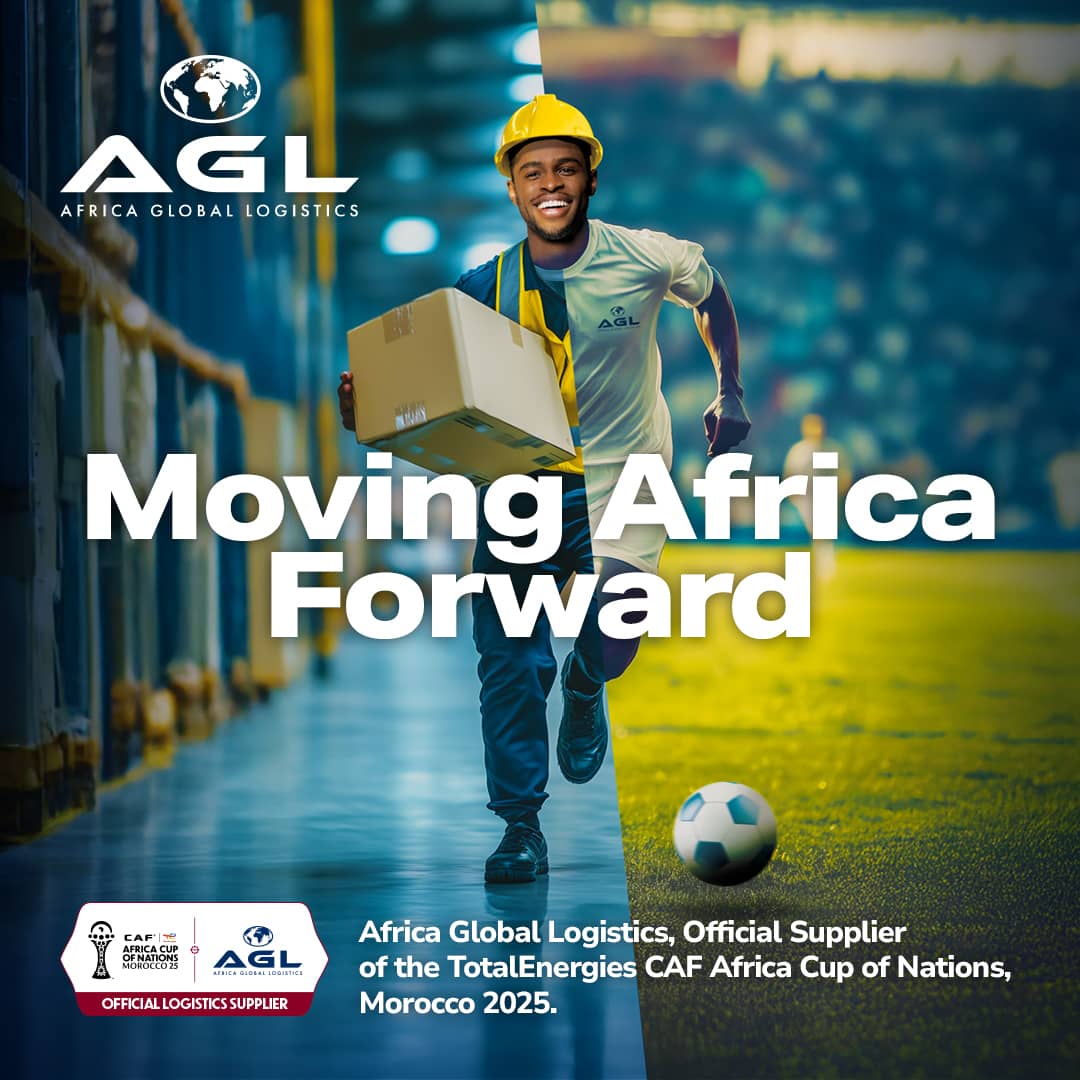
Comment AGL met l’Afrique en mouvement à l’occasion de la CAN 2025
SOCIETE :: les + lus

Le top 10 des pays où il y a le plus de femmes infidèles
- 06 January 2015
- /
- 22148


7 Aliments qui deviennent toxiques quand ils sont réchauffés
- 24 October 2015
- /
- 19764

Les avantages des casinos en ligne pour les joueurs français
- 30 October 2024
- /
- 19499

LE DéBAT
Afrique : Quel droit à l'image pour les défunts au Cameroun ?
- 17 December 2017
- /
- 218760

partenaire

Vidéo de la semaine





évènement
Vidéo





L'actualité en vidéo